Cheap rubbish collection Erith what to know before booking
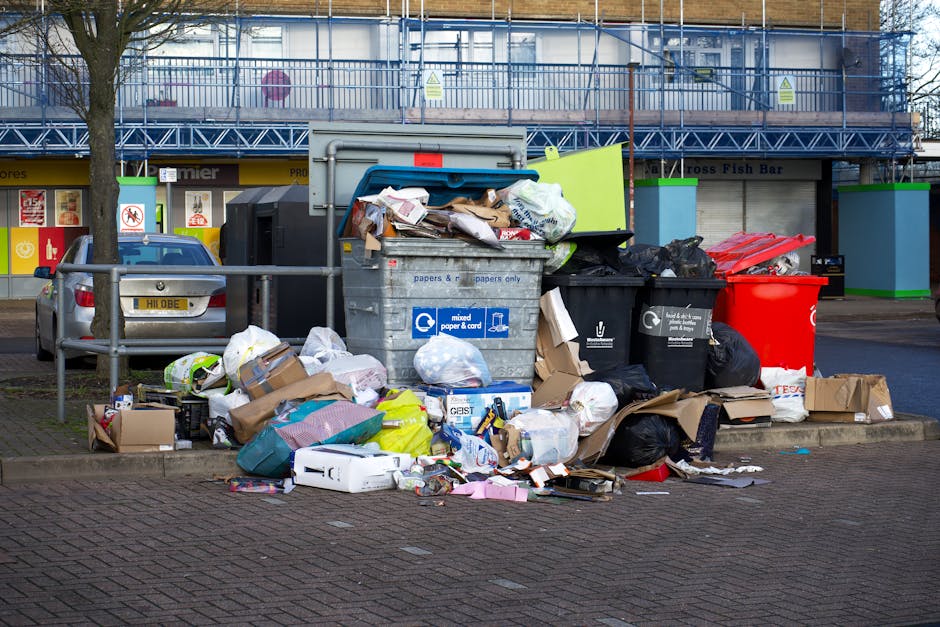
If you're looking at cheap rubbish collection Erith what to know before booking, you're probably trying to clear a load of waste without overpaying, overthinking it, or ending up with a cowboy outfit turning up in a battered van. Fair enough. Nobody enjoys staring at a pile of unwanted stuff and wondering whether the quote is genuine, what can legally be taken, or whether the "cheap" price will grow arms and legs on the day.
This guide walks you through the practical things that matter before you book: how rubbish collection normally works, what affects the price, the questions worth asking, and the mistakes people make when they're rushing. If you want a smoother booking, fewer surprises, and a service that actually fits your situation, you're in the right place.
- Why cheap rubbish collection in Erith matters
- How rubbish collection works
- Key benefits and practical advantages
- Who this is for and when it makes sense
- Step-by-step guidance
- Expert tips for better results
- Common mistakes to avoid
- Tools, resources and recommendations
- Law, compliance, standards and best practice
- Options and comparison table
- Case study or real-world example
- Practical checklist
- Conclusion
- Frequently asked questions
Why Cheap rubbish collection Erith what to know before booking Matters
On the surface, rubbish collection looks simple: book a team, they load the waste, job done. In real life, the details matter. A cheap price is only useful if the service is actually suitable for the type and amount of waste you have, the access to your property, and the sort of items being removed.
In Erith, as in much of South East London, people often need clearance for a mix of everyday household waste, bulky furniture, renovation debris, or garden cuttings. That mix can change the job completely. A quote that sounds low for a few black bags may be less impressive once a sofa, wardrobe, or builder's rubble gets added. So the real question is not simply "what's the cheapest?" It's "what do I need to know before I book so the final price and service make sense?"
This matters for another reason too: rubbish removal is not just a lifting exercise. Responsible disposal, sorting, recycling where possible, and safe handling all play a part. If you choose on price alone, you can end up with missed items, hidden extras, or poor waste handling. Nobody wants that. Not in this weather, not after a long day, not when the hallway is already full of broken furniture and old boxes.
Expert summary: A genuinely cheap rubbish collection is one that is priced clearly, matches the waste you actually have, and avoids surprise charges on arrival. The cheapest headline price is rarely the best value if the scope is unclear.
How Cheap rubbish collection Erith what to know before booking Works
Most rubbish collection services follow a fairly similar process, although the exact method can vary. Usually, you describe what needs removing, share photos if asked, receive a quote, and book a time slot. On the day, the team arrives, checks the load, confirms any agreed details, and clears the waste for you.
That said, there are a few moving parts worth understanding before you book.
1. You identify the waste type
Is it domestic rubbish, garden waste, old furniture, appliances, office clutter, or building materials? The answer affects both price and handling. A few bin bags are one thing. A packed garage of mixed waste is another entirely.
2. You estimate the volume
Many rubbish collection prices depend on how much space the items take in the vehicle. That is why providers often ask for photos or a rough description. If you underestimate, the quote may need adjusting. If you overestimate, you may pay for more capacity than you need.
3. The provider checks access
Narrow hallways, top-floor flats, long driveways, parking restrictions, and awkward stairs can all affect how long the job takes. Erith homes and flats vary a lot, and access is often where a seemingly cheap job gets less straightforward.
4. The team sorts and loads
Once they arrive, a decent crew will load safely, separate recyclable materials where practical, and keep you informed if something changes. If the waste includes items that need special handling, they should explain that clearly rather than guessing their way through it.
5. Disposal and recycling follow
After collection, the waste should be taken to a licensed facility or processed through an approved route. If a company talks only about "taking it away" but never mentions disposal or recycling, that's a bit of a red flag, truth be told.
Key Benefits and Practical Advantages
Cheap rubbish collection done properly is not just about saving money. It can save time, hassle, and physical strain too. When you're comparing services, it helps to think in practical terms rather than just looking for the lowest number on the quote.
- Fast clearance: Useful when waste is blocking a room, garden, driveway, or entrance.
- No hiring a vehicle yourself: No loading vans, no fuel runaround, no wrestling with bulky bits at the tip.
- Less lifting and carrying: Handy if you're dealing with heavy furniture or awkward bags.
- Clearer time savings: One booked collection can beat a whole weekend of sorting and transport.
- Better for mixed waste: Ideal when you have different item types that would be annoying to move separately.
- Peace of mind: A proper provider should handle disposal in a responsible, traceable way.
For homeowners, renters, landlords, letting agents, tradespeople, and small businesses, that combination is often the real value. The price matters, sure. But so does getting your space back without making a mess of your day.
Who This Is For and When It Makes Sense
Not every waste problem needs the same solution. Cheap rubbish collection is a good fit for some jobs and less suitable for others. Knowing the difference before booking can save you a lot of back-and-forth.
It may make sense if you have:
- a one-off house clear-out
- bulky items that are hard to move yourself
- garage, loft, or shed clutter
- garden waste after a tidy-up
- old furniture or appliances to dispose of
- post-renovation rubbish from a small project
- office clutter, paperwork, or redundant equipment
It may be less suitable if your waste includes highly restricted material, very large volumes of construction debris, or items that need specialist handling. In those cases, you may need a more specific service such as builders waste clearance, hazardous waste disposal, or a dedicated appliance service like fridge and appliance removal.
One common example: a homeowner clearing a garage after years of "I'll deal with that later" finds old tools, cardboard, a broken lawnmower, and a rusty shelf unit. That's exactly the sort of job where a straightforward rubbish collection service can be a good fit. A flat packed full of mixed furniture? Same idea. A site full of rubble and plaster? Different story.
Step-by-Step Guidance
If you want to book with confidence, follow a simple process. It's boring in the best possible way.
- List everything you want removed. Walk around the room, garden, or property and write down the main items.
- Separate the obvious categories. Furniture, garden waste, appliance items, construction waste, paperwork, and general rubbish should be noted separately if possible.
- Take clear photos. Wide shots help show volume. Close-ups help identify awkward or special items.
- Check access details. Mention stairs, parking, floor level, narrow doorways, or restricted entry. This is where many quotes shift.
- Ask what the quote includes. Loading, labour, disposal, and any extra charges should be clear before booking.
- Confirm timing. Know whether the service is same-day, next-day, or booked for a specific slot.
- Prepare the waste if needed. Move items to one place where safe, but do not risk injury lifting heavy objects on your own.
- Review the final agreement. A short confirmation can prevent a lot of awkwardness on arrival.
If you're dealing with furniture, it can also help to look at furniture clearance or furniture disposal options depending on whether the items are simply being removed or need a more tailored disposal route. For soft furnishings, mattress and sofa disposal may be the more relevant fit.
Expert Tips for Better Results
A few small choices can make cheap rubbish collection much smoother. These are the sort of things people often only learn after one slightly frustrating booking. Better to know now.
- Be very clear about mixed waste. Mixed loads usually take more sorting time, and that affects price.
- Send photos instead of trying to describe everything. A picture is quicker, and less likely to be misunderstood.
- Ask about recycling. A responsible company should be able to explain how they aim to recycle or recover suitable material. You can also read more about recycling and sustainability.
- Check payment method and timing. It sounds basic, but it avoids confusion when the team arrives and gets to work.
- Match the service to the job. A garage clear-out and a small office clearance are different beasts. The wording matters, the access matters, the mix of waste matters.
- Do a quick safety check. If there's broken glass, sharp timber, or heavy lifting involved, tell the provider in advance.
To be fair, a lot of the "cheap" part comes from preparation. If the waste is clearly described, access is straightforward, and the job is well scoped, the whole thing tends to run better. That's good for you and good for the crew too.
And if you are clearing out a business space or a back office, it may be worth looking at office clearance or, for recurring commercial waste, business waste removal.
Common Mistakes to Avoid
Here's where people lose money or get frustrated. The mistakes are usually small, but they add up fast.
- Choosing the lowest quote without checking what's included. A cheap headline price can hide extra charges for labour, parking, access, or disposal.
- Underestimating volume. One small van load can turn into two. That changes the cost.
- Not mentioning restricted items. If there are appliances, chemicals, fridges, or sharp materials, say so early.
- Leaving everything to the last minute. That often means less choice, worse timing, and less room to compare options.
- Forgetting access issues. Parking on a busy street in Erith is not the same as an open driveway. The crew needs the full picture.
- Assuming all rubbish is accepted. Some waste needs specialist handling. That's normal.
A tiny mismatch in the quote can become a bigger issue on the day. Nothing dramatic. Just annoying. And annoying is exactly what you're trying to avoid.
Tools, Resources and Recommendations
You do not need fancy tools to book a rubbish collection, but a few simple things help a lot. Think practical, not technical.
- A phone camera: Take a few wide-angle shots of the waste.
- A rough list: Even a notes app is enough.
- Access measurements: If a large item needs to pass through a narrow gap, measure it.
- Payment confirmation: Keep the booking details somewhere easy to find.
- Separate piles: If you can safely group waste by type, it can help the collection go faster.
If you are unsure about what can go together in a load, the page on what can go in a skip is a useful reference point for understanding the broad shape of common waste categories. It is not a perfect one-to-one match for every collection job, but it gives you a sensible benchmark for what tends to be accepted or separated.
For a fuller picture of booking, pricing, and service expectations, it can also help to review pricing and quotes and the company's terms and conditions. That's the unglamorous part, yes, but it's the part that tells you what you're actually buying.
Law, Compliance, Standards, or Best Practice
Waste collection in the UK sits inside a practical framework of environmental responsibility, safety, and duty of care. You do not need to become a legal expert to book a rubbish collection, but you should expect a professional provider to handle waste responsibly and explain what happens to it.
In plain English, that means a few things:
- Waste should not just disappear into a mystery van and be forgotten about.
- Items should be carried, loaded, and stored safely to reduce risk of damage or injury.
- Potentially hazardous materials need special treatment rather than guesswork.
- Records, receipts, and clear service terms are part of good practice.
If your waste includes items that are sensitive, sharp, contaminated, or otherwise tricky, ask before booking. That includes things like confidential paperwork, which may require confidential shredding, or items that pose safety concerns, where health and safety policy and insurance and safety information become more relevant.
For households clearing garages, sheds, or outdoor areas, garden waste should be treated with care too. Branches, soil, cuttings, and broken tools can be fine in the right service, but if you are doing a bigger tidy-up, a dedicated garden clearance may be the better route.
Best practice is simple: describe the waste honestly, disclose awkward items early, and choose a provider that explains the process clearly. That's the sweet spot. No drama, just a clean result.
Options, Methods, or Comparison Table
Before you book, it helps to compare the main ways people handle rubbish removal. The cheapest option on paper is not always the best fit once time, labour, and disposal are counted.
| Option | Best for | Pros | Watch out for |
|---|---|---|---|
| Professional rubbish collection | Mixed household waste, bulky items, quick clearances | Fast, convenient, less lifting, usually all-in service | Price depends on volume, access, and item type |
| Skip hire | Longer projects, renovation waste, ongoing clearance | Can be practical for repeated loading over time | Space, permit needs, and what can go in a skip matter |
| DIY tip run | Smaller loads, people with suitable transport and time | May appear cheaper upfront | Fuel, time, lifting, queueing, and multiple trips can add up |
| Specialist clearance | Hazardous, bulky, delicate, or regulated waste | More suitable for difficult items | Usually more specific and sometimes more expensive |
If you are weighing up rubbish collection against a skip, it is worth reading what can go in a skip before deciding. The answer can genuinely swing the decision one way or the other.
Case Study or Real-World Example
Imagine a small terrace in Erith on a damp Saturday morning. The hallway is a little cramped, there's a broken two-seater sofa in the front room, a couple of old cupboards in the spare room, and a stack of garden cuttings waiting in black bags near the back gate. Nothing outrageous, just a proper mixed clear-out.
The homeowner first asks for a rough price based on photos. Smart move. The photos show the items, but also the narrow access through the side return and the fact that the sofa will need careful turning. That detail matters more than most people realise.
The provider gives a quote that includes loading and disposal, but flags that the appliance in the kitchen needs separate handling because it is an old fridge. The homeowner checks the details, confirms the booking, and asks about recycling where possible. On the day, the job goes smoothly because the scope was clear from the start. No guessing. No "actually, that'll be extra" moment at the door.
That is really the point of booking well. Cheap rubbish collection is not about hoping for the best. It is about making the job easy to quote honestly. A bit of prep saves a lot of faff.
Practical Checklist
Use this checklist before you book. It keeps things simple.
- Do I know exactly what needs removing?
- Have I estimated the volume as honestly as I can?
- Have I photographed the waste from more than one angle?
- Have I mentioned stairs, parking, narrow access, or awkward entry points?
- Do I have any items that need special handling, such as appliances, confidential papers, or hazardous material?
- Is the quote clear about labour, loading, and disposal?
- Have I checked whether the provider can handle my specific waste type?
- Do I understand the terms and conditions before confirming?
- Have I asked about recycling and how the waste will be processed?
- Have I got the booking details saved somewhere easy to find?
And one small, practical thing: clear a path to the waste if it is safe to do so. It sounds minor, but it helps the team move quickly and reduces the chance of damage. Little things, big difference.
Get a free quote today and see how much you can save.
Conclusion
Booking cheap rubbish collection in Erith should feel straightforward, not stressful. If you know what kind of waste you have, describe it properly, check the access, and compare quotes on more than just headline price, you are already ahead of most people.
The best booking is the one that gives you a fair price, a clear process, and a collection that actually suits the job. Whether you are clearing a room, emptying a garage, shifting old furniture, or tidying up after a small project, a bit of prep goes a long way. And honestly, once the clutter is gone and the space opens up again, it's a good feeling. Properly good.
If you want to compare service details, pricing information, or how booking works, a sensible next step is to review the site's pricing and quotes and book online pages so you can move forward with fewer surprises.
Frequently Asked Questions
What should I check before booking cheap rubbish collection in Erith?
Check the type of waste, the amount of waste, access to the property, and whether the quote includes loading and disposal. Clear photos help a lot too.
Is the cheapest rubbish collection always the best option?
Not necessarily. The lowest price can be poor value if it excludes labour, disposal, or extra items. The better choice is usually the clearest quote, not just the cheapest headline figure.
Can I get rubbish collection for a mix of household items and garden waste?
Yes, often you can. Mixed loads are common, but it is important to describe them properly because different item types may affect the quote and the way they are handled.
Do I need to sort the rubbish before collection?
It helps, but it is not always required. If you can safely group similar items, the job may be quicker. If not, just be honest about the mix and ask what preparation is needed.
What happens if I have a fridge, sofa, or mattress to remove?
Those items may need specific handling. A fridge, for example, is usually better treated as an appliance item, while sofas and mattresses may need their own disposal route. Mention them before booking.
How do I know if a rubbish collection service is trustworthy?
Look for clear pricing, clear terms, sensible questions about your waste, and straightforward explanations of what is included. A trustworthy provider should not sound vague when you ask basic questions.
Can rubbish collection be same-day in Erith?
Sometimes, yes. It depends on availability, the size of the job, and how clearly the waste has been described. Same-day jobs are easier to arrange when the details are simple and the access is clear.
What if I am not sure how much rubbish I have?
Take photos and ask for guidance. Most providers can estimate more accurately from images than from a rough guess. If in doubt, describe the room, the pile size, or the number of bags and bulky items.
Is rubbish collection better than hiring a skip?
It depends on the job. Rubbish collection is often easier for quick clear-outs and bulky items. A skip may suit longer projects or repeated loading. The best option depends on access, waste type, and how much you are clearing.
What should I ask about recycling before I book?
Ask how the company handles recyclable materials, whether items are sorted, and what happens to reusable furniture or metal. A good provider should be able to give a simple explanation without overcomplicating it.
Can I book rubbish collection for a flat or top-floor property?
Yes, but it is important to mention stairs, lifts, parking, and access in advance. Flat clearances often take a little more planning, so the more detail you give, the better the quote is likely to be.
What should I read if I want to understand the terms before booking?
It is sensible to review the provider's terms and conditions, along with payment and security and, where relevant, insurance and safety. That gives you a more complete picture of what to expect.
What is the main thing people forget before booking?
They often forget to mention access issues or special items. That one detail can change the quote and the collection plan more than people expect.