Hidden costs to avoid with Erith rubbish removal quotes
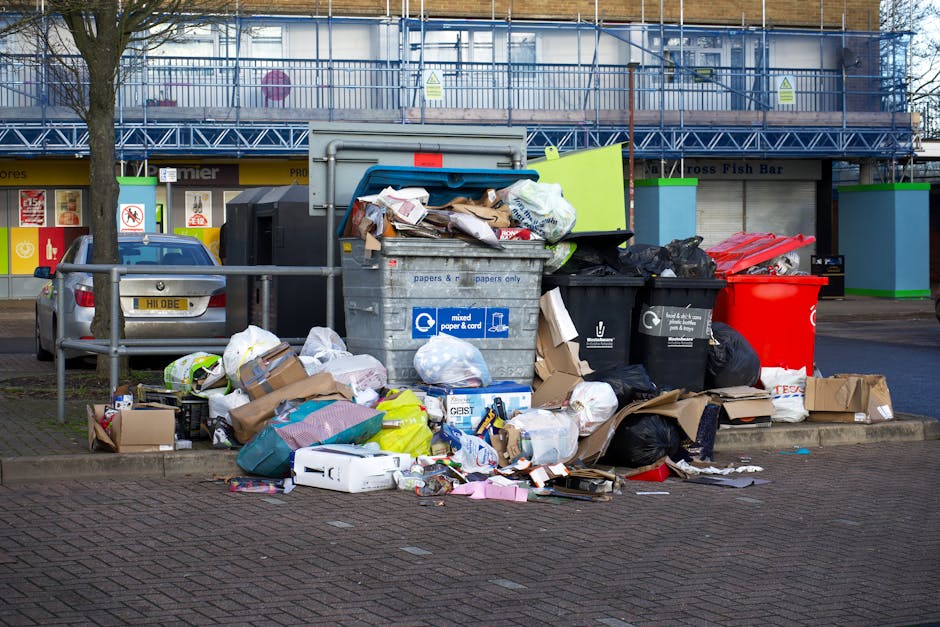
If you have ever compared rubbish removal prices and thought, "That sounds fine," only to spot the final bill creeping upward later, you are not alone. Hidden costs to avoid with Erith rubbish removal quotes are usually the difference between a smooth clearance and an annoying, expensive surprise. In a place like Erith, where homes, flats, gardens, garages, and small businesses all generate different kinds of waste, the quote you receive needs to be clear, specific, and properly explained. This guide breaks down the common hidden charges, how decent quotes should work, and the practical questions that save you money before anyone turns up with a van.
Why Hidden costs to avoid with Erith rubbish removal quotes Matters
Rubbish removal looks straightforward until you dig into the details. A quote might seem competitive, but if it excludes labour, access issues, VAT, parking, or special waste handling, you can end up paying far more than expected. That is the core problem with hidden costs: they make comparison shopping almost useless unless you know exactly what is included.
For Erith residents and local businesses, this matters even more because the work can vary wildly from job to job. Clearing a few broken chairs from a flat is not the same as removing builders' rubble from a rear garden with awkward access. Nor is a standard house clearance the same as removing office equipment, confidential paperwork, a fridge, or a mattress. One vague price can hide a lot.
There is also a trust issue. A clear quote tells you the company has thought through the job. A fuzzy quote can mean they are guessing, then making up the difference later. To be fair, nobody enjoys haggling with a van crew on the driveway while half the hallway is blocked by a sofa and that one awkward wardrobe nobody wants to move. Better to prevent that scene in advance.
Expert summary: The safest rubbish removal quote is not always the cheapest one. It is the one that clearly explains what is included, what is excluded, and what could change the price before anyone starts loading waste.
If you want a useful starting point, have a look at the company's pricing and quotes information before you book. It helps you understand what a properly structured estimate should cover.
How Hidden costs to avoid with Erith rubbish removal quotes Works
A decent rubbish removal quote should be built around the actual job, not a vague guess. In practice, that usually means the provider asks about the type of waste, the approximate volume, access, parking, loading time, and whether anything needs special handling. From there, they can estimate the cost more accurately.
The hidden costs appear when any of those assumptions are wrong or left unsaid. For example:
- The quote is based on a lighter load, but the pile is heavier than expected.
- Access is harder than described, so the crew needs extra time.
- The waste includes items that need specialist disposal.
- Parking or waiting time adds expense.
- What looked like "all-in" pricing actually excludes disposal fees or labour.
Let's face it, "about a van load" is not very precise. A couple of bulky wardrobes can fill a vehicle differently from mixed bagged waste, and builders' waste can be much heavier than it looks. When a quote relies on guesswork, the risk of add-ons rises fast.
Good operators usually try to reduce that risk by asking the awkward questions up front. That is a positive sign. You want the provider to be slightly nosy at the quote stage. It saves everyone a headache later.
For broader waste jobs, it can also help to compare what sits inside a wider service category such as waste removal, especially if your load is mixed and not just one type of item.
Key Benefits and Practical Advantages
Understanding hidden costs is not just about avoiding irritation. It has very real practical value.
1. You can compare quotes properly
Once you know which charges are likely to appear, you can compare like for like. That means comparing access rules, labour, disposal fees, minimum charges, and item restrictions rather than just the headline number.
2. You avoid awkward day-of-job price changes
No one wants a revised figure after the team arrives. A well-scoped quote reduces the chance of awkward conversations at the kerb, in the hallway, or under a slightly damp garden fence on a grey Thursday afternoon.
3. You keep control of the job scope
When you know the cost drivers, you can decide whether to split the work, move items yourself, or remove hazardous or bulky items separately. That flexibility can save money.
4. You reduce the risk of unsuitable disposal
Some waste needs special handling. If you misdescribe it, you may face surcharge fees or, worse, a service that is not properly equipped. This is especially relevant for items like fridges, mattresses, sofas, and anything classed as hazardous waste.
5. You get a calmer experience overall
People often think rubbish removal is just a transaction. In reality, it is usually happening at the end of a stressful process: moving house, refurbishing a room, clearing a garage, or getting a business back into order. Clear pricing gives you one less thing to think about.
If you are clearing a property rather than just a small pile of waste, pages such as house clearance and home clearance can help you see how different jobs are typically framed.
Who This Is For and When It Makes Sense
This topic is useful for almost anyone booking a clearance in Erith, but it is especially relevant if your job has a few complications. That includes:
- homeowners clearing a loft, garage, garden, or spare room
- tenants or landlords dealing with left-behind furniture or mixed waste
- small businesses disposing of office furniture or paperwork
- builders and tradespeople with rubble, packaging, or site waste
- people disposing of bulky items like mattresses, sofas, or appliances
It also makes sense if the access is awkward. Think narrow side passages, top-floor flats, basement storage, rear garden gates, or a property where parking is never exactly generous. That is where hidden labour or time charges can quietly creep in.
There is a big difference between a tidy front-drive collection and a clearance that involves multiple trips up stairs. If you are dealing with flat move-outs or compact properties, a service such as flat clearance may be a better fit than a generic "rubbish removal" label. Same idea, better match.
And if the job is more specialist, for example with mixed furniture or a couple of large items, look at furniture clearance or furniture disposal so you can judge whether the quote reflects the actual item type.
Step-by-Step Guidance
Here is the simplest way to avoid hidden charges before you accept a rubbish removal quote.
- List everything that needs removing. Be specific. "Old stuff from the shed" is not enough. "2 bikes, 6 black bags, 1 broken lawnmower, and a rusted shelf unit" is better.
- Separate ordinary waste from special items. Fridges, freezers, mattresses, sofas, appliances, and anything potentially hazardous should be identified early.
- Describe access honestly. Stairs, tight doors, long walks from the road, and tricky parking all affect the job.
- Ask what the price includes. Labour, loading, transport, disposal, VAT, and parking should be clearly addressed.
- Check whether the quote is volume-based, weight-based, or job-based. Each method has different risk points.
- Confirm if the company may revise the price on arrival. A reputable firm will explain when and why that could happen.
- Request the assumption behind the price. If the quote assumes one van load and your waste may be more, you need to know the break point.
- Keep a written record. Even a short email or booking confirmation helps avoid misunderstandings later.
It sounds obvious, but a lot of extra cost comes from one simple problem: the customer assumed the quote covered everything, while the provider assumed it did not. That gap is where the money disappears.
If your job involves garden waste or seasonal clearing after a weekend of pruning, damp compost bags, and that never-ending pile of branches, a dedicated garden clearance page can help you think through what should be disclosed in the quote.
Expert Tips for Better Results
Over time, a few habits make a huge difference to quote accuracy.
Ask for the "what could change the price?" question first
This is one of the best questions you can ask. It encourages the provider to name the common surcharges before they become a problem. If the answer is vague, that is useful information too.
Use photos where possible
A couple of clear photos usually reduce confusion. Wide shots help with volume. Close-ups help with item type. A photo of the access route can be surprisingly valuable. A rear alley at 8am can look very different from a front path in daylight.
Be careful with mixed loads
Mixed loads often hide cost surprises because they combine light bulky items with dense waste. Builders' rubble, broken plasterboard, timber, and packaging can all affect pricing differently. If the job is renovation-related, a specialist builders' waste clearance service may be easier to quote accurately than a generic option.
Check how bulky items are treated
Large sofas, wardrobes, beds, and appliances often need more than just a "one item" price. The service might need two people, extra dismantling, or a vehicle with room for awkward shapes. For example, a fridge is not just a fridge; it is a heavy item, often awkward to move, and may need specific handling. The same goes for fridge and appliance removal.
Look beyond the headline price
A cheap quote can still be expensive if it excludes too much. A slightly higher quote that includes labour and disposal may be better value. That is not spin; it is just arithmetic.
Ask about recycling and sorting
If a provider separates reusable and recyclable waste well, that can sometimes support a cleaner, more efficient clearance. It also tends to indicate a more organised operation. You can read more about this mindset on their recycling and sustainability page.
Common Mistakes to Avoid
Some mistakes keep showing up again and again. None are dramatic on their own, but together they create the hidden-cost mess people hate.
- Only asking for a price, not an explanation. A number without context is risky.
- Guessing the volume too low. This is common and very human. But it can push the quote upward on arrival.
- Forgetting access details. "It is just downstairs" is not enough if the hallway is narrow or the lift is out of service.
- Leaving out awkward items. A single mattress, sofa, or fridge can affect the total more than expected.
- Assuming all waste is treated the same. It is not. Some items require special handling.
- Ignoring terms and conditions. Short, dry reading, yes. Still worth it.
- Not asking about parking or waiting. In busy parts of Erith, this can matter more than people think.
A small but useful habit: read the quote back in your own words before confirming. Something like, "So that includes labour, loading, and disposal, and there are no extra charges unless access or waste type changes?" That one sentence can save a lot of grief.
For office jobs, the same principle applies. If you are clearing desks, filing cabinets, monitors, or boxes from a workplace, office clearance is often a better description than a loose rubbish-removal estimate.
Tools, Resources and Recommendations
You do not need fancy software to avoid hidden charges. A few basic tools are enough.
- A phone camera for taking wide and close-up photos of the waste
- A simple note list with each item grouped by room or area
- A tape measure if you are unsure about bulky furniture or access gaps
- Booking notes or email screenshots so you can check what was agreed
- A short questions checklist for comparing providers fairly
It can also help to understand what a provider considers acceptable waste before you book. Some customers use a skip as a benchmark and then compare that against a collection quote. If that is you, the page what can go in a skip may help you think about item types and restrictions, even if you are not actually hiring a skip.
For business customers, it is smart to ask whether paperwork, confidential material, or office contents need separate handling. In some cases, a service like confidential shredding makes more sense than bundling documents into general waste. Slightly boring, yes. Also very useful.
If you want to understand the company background before you book, the about us page can help. A transparent business is usually a safer bet than one hiding behind vague copy and a too-good-to-be-true estimate.
Law, Compliance, Standards, or Best Practice
With rubbish removal, the legal and safety side matters because waste is not just "stuff to take away." In the UK, businesses handling waste are expected to dispose of it responsibly, and customers should be careful not to hand over items that need special treatment without flagging them first. You do not need to become a compliance expert, but you should expect the provider to operate with proper care.
Best practice usually includes:
- clear item descriptions before quoting
- transparent pricing terms
- appropriate handling of bulky, fragile, or hazardous items
- safe lifting and loading methods
- responsible disposal and recycling where possible
If a job includes potentially hazardous materials, do not try to hide that fact to save money. It is not worth the risk. The right service for that kind of waste is a dedicated one, such as hazardous waste disposal. That keeps everyone safer and reduces the chance of an unpleasant surprise on arrival.
Insurance also matters. A company that can explain its approach to insurance and safety is giving you a useful trust signal. It shows the job has been thought through rather than improvised.
For broader business customers, there can be extra expectations around data handling, site safety, and professional conduct. In those cases, it is sensible to review the company's business waste removal information before confirming anything.
Options, Methods, or Comparison Table
Different booking methods suit different situations. The trick is to pick the one that gives the lowest total cost, not just the lowest displayed price.
| Method | Best for | Risk of hidden costs | Notes |
|---|---|---|---|
| Photo-based quote | Most household and small business jobs | Low to medium | Good when waste is visible and access is easy to show. |
| On-site quote | Large, mixed, or awkward clearances | Low | Often more accurate when a job is complex or hard to describe. |
| Basic estimate by phone | Very simple removals | Medium to high | Fast, but depends heavily on your description being accurate. |
| One-item pricing | Single bulky items | Medium | Can work well for sofas, mattresses, or appliances if the item is standard. |
The best option depends on the job. A single sofa is not the same as a full loft clearance, and a front-room collection is not the same as navigating a top-floor flat with a dodgy lift that makes that awful grinding sound. For bigger, mixed, or storage-heavy jobs, pages like loft clearance and garage clearance can be useful reference points.
Case Study or Real-World Example
Imagine a typical Erith household clearing out a garage after a long weekend of sorting. There are broken plastic storage boxes, a rusted bike, some old paint tins, a chipped wardrobe door, and a pile of garden waste. The first quote sounds reasonable because it is based on "garage contents."
But once the provider asks a few more questions, the picture changes. The paint tins may need checking. The garden waste is wetter and heavier than expected. The access route includes a side gate and a short walk from the road. Suddenly, a vague quote becomes a poor fit.
Now compare that with a better approach. The customer sends photos, lists the items, mentions the paint tins, and explains the access. The provider then gives a more precise estimate that reflects the real work. No awkward renegotiation. No guessing. No "well, we thought it would be lighter."
The same thing happens with furniture-heavy jobs. A customer might think they have "a few old items," when in reality there are three wardrobes, a sofa, and a mattress. If that sounds familiar, the dedicated mattress and sofa disposal information can help you think through the likely cost drivers more accurately.
That is the real lesson: the more precise you are, the less likely you are to pay for assumptions.
Practical Checklist
Use this before you accept any Erith rubbish removal quote.
- Have I listed every item clearly?
- Have I described access, stairs, parking, and distance from the vehicle?
- Have I separated ordinary waste from special items?
- Have I asked what the price includes?
- Have I asked about VAT, labour, loading, and disposal fees?
- Have I checked whether the quote could change on the day?
- Have I mentioned bulky, heavy, or awkward items?
- Have I confirmed how hazardous or restricted waste is treated?
- Have I kept the quote in writing?
- Does the total still make sense when compared with the scope of the job?
If you can tick most of those off, you are in much better shape. If not, pause and ask again. A minute now beats a surprise invoice later, honestly.
Conclusion
Hidden costs to avoid with Erith rubbish removal quotes are usually not mysterious at all. They come from vague descriptions, missing access details, unclear waste types, and quotes that look tidy on the surface but leave out the work that actually needs doing. Once you know what to ask, the whole process becomes much easier to manage.
The good news is that you do not need specialist knowledge to protect yourself. A clear item list, honest photos, a few smart questions, and a written confirmation can remove most of the risk. That is especially helpful if you are clearing a home, a flat, a garage, a loft, or a business space and you want the job done without drama.
Get a free quote today and see how much you can save.
And if you take one thing away from this page, let it be this: the best quote is the one that feels clear before the truck arrives, not the one that gets explained after the fact. Small bit of prep, big difference. That's the quiet win.
Frequently Asked Questions
What are the most common hidden costs in rubbish removal quotes?
The most common ones are labour charges, disposal fees, VAT, parking or access costs, charges for heavy or bulky items, and extra fees for waste that needs special handling. The risk rises when the quote is based on incomplete information.
Why do rubbish removal prices change on the day?
Prices usually change because the job is larger, heavier, or harder to access than described. Sometimes the waste type is different too. A photo or a better item list often prevents this.
How can I compare two Erith rubbish removal quotes fairly?
Compare what each quote includes, not just the headline price. Check labour, loading, disposal, VAT, access assumptions, and whether any items are excluded. That gives you the real comparison.
Should I send photos when asking for a quote?
Yes, if you can. Photos make it easier to judge the volume, type of waste, and access. They are especially useful for bulky items, mixed loads, and awkward spaces.
Is the cheapest rubbish removal quote usually the best?
Not necessarily. A very low quote can leave out important parts of the job. A slightly higher quote that is genuinely all-inclusive often works out better and feels far less stressful.
Do I need to mention fridges, sofas, or mattresses separately?
Yes. Bulky or specialist items can affect pricing and handling. It is better to mention them up front than to treat them as ordinary waste and hope for the best.
What should a good rubbish removal quote include?
A good quote should explain the waste type, expected volume, included labour, disposal arrangements, any exclusions, and anything that might change the price. Clear wording matters more than clever sales language.
Can access issues really add much to the cost?
They can. Stairs, long carrying distances, tight entrances, and difficult parking all affect the time and effort required. If access is awkward, say so early.
What if I am not sure how much rubbish I actually have?
That is normal. Take a few photos, make a rough list, and describe the space honestly. If the job is large, an on-site look or a more detailed quote may be the safer choice.
Are hazardous items always more expensive to remove?
Often they are, because they require more careful handling and disposal. If you think something may be hazardous, declare it clearly and use the right service for it.
Do business waste quotes work differently from household quotes?
Sometimes, yes. Business jobs can involve confidential material, equipment, regular collections, or more formal site access. That is why it helps to review business-specific options rather than assuming a home-clearance quote will fit.
What is the safest next step before booking?
Check the quote in writing, ask what is included, and make sure every unusual item or access issue has been mentioned. If anything feels unclear, ask again before you commit. A good provider will not mind.